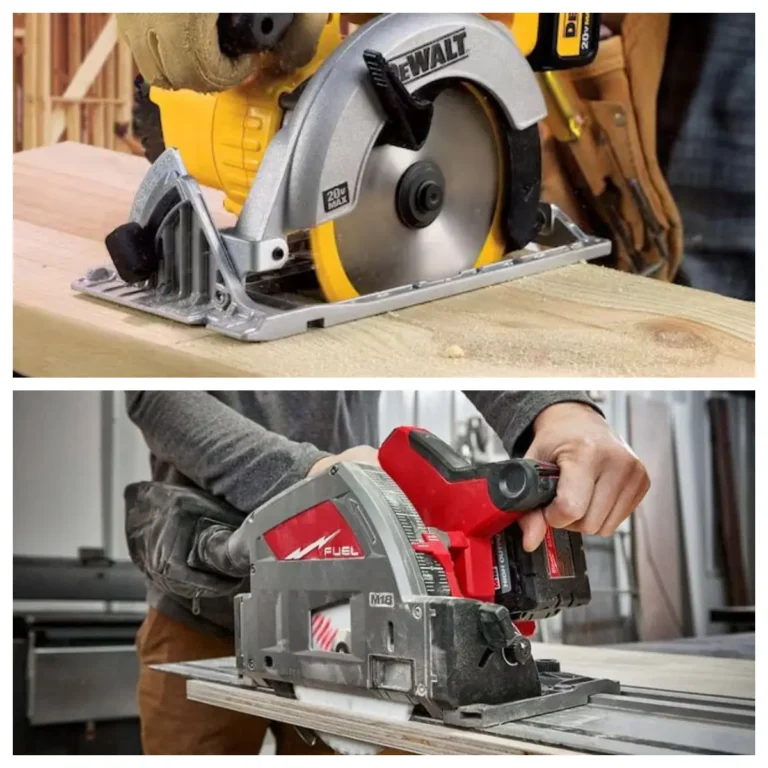
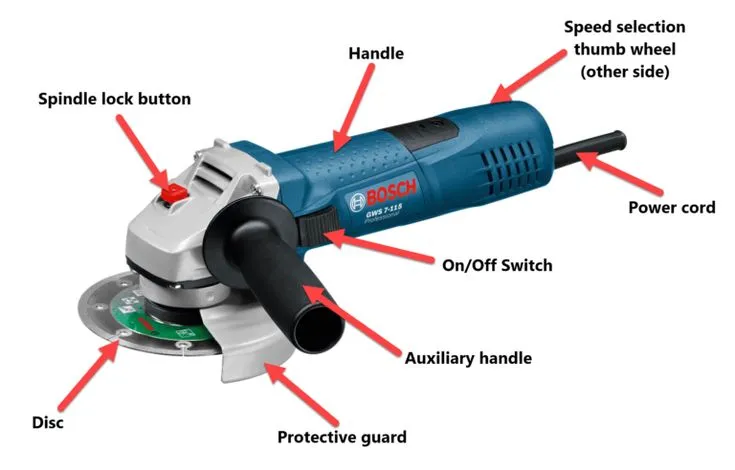
Choose an electric saw by cut shape, material, workpiece size and required finish. A circular saw handles straight cutting; a jigsaw handles curves and openings; a miter saw supports repeated crosscuts. Demolition and detailed bench work need different tools again.
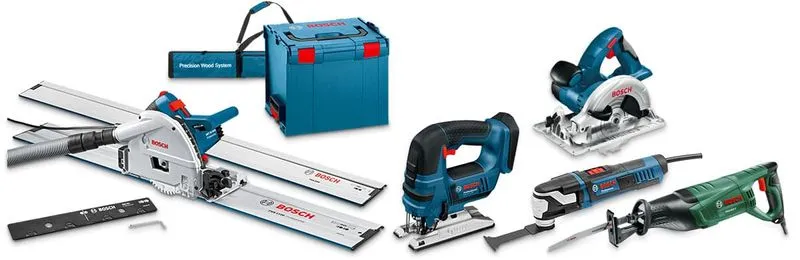
This page is a selection hub, not a substitute for an operating manual. Use it to shortlist a category, then verify the model, blade and setup. Distributors can use the same questions when planning an assortment.
Start with a cut-and-material matrix
Describe the cut before the tool. Include whether a workpiece can move to a bench or whether cutting must happen in place. “Cuts wood” is not enough to distinguish panel sizing from curved trim or demolition.
| Required result | Category to investigate | Critical check |
|---|---|---|
| Straight cuts in boards or sheet goods | Circular or plunge saw | Guide system, depth and work support |
| Repeated angled crosscuts | Miter saw | Capacity at the required miter and bevel |
| Repeat ripping at a workstation | Table saw | Fence, guarding and stock handling |
| Curves or interior openings | Jigsaw or scroll saw | Radius, thickness and finish |
| Removal and rough cutting | Reciprocating saw | Material-specific blade and access |
| Resawing or thick curved work | Suitable band saw | Throat, height and blade configuration |
| Tile, metal stock or logs | Purpose-designed saw for that task | Approved material, blade or chain and controls |
- Record thickness and required dimensions.
- State whether the edge remains visible.
- Check the whole setup, not only the motor rating.
Circular and plunge saws for straight portable cutting
A handheld circular saw moves a rotating blade through supported material. It is commonly used for straight board and sheet cuts. A plunge saw uses a designed plunging mechanism and may pair with a guide rail.
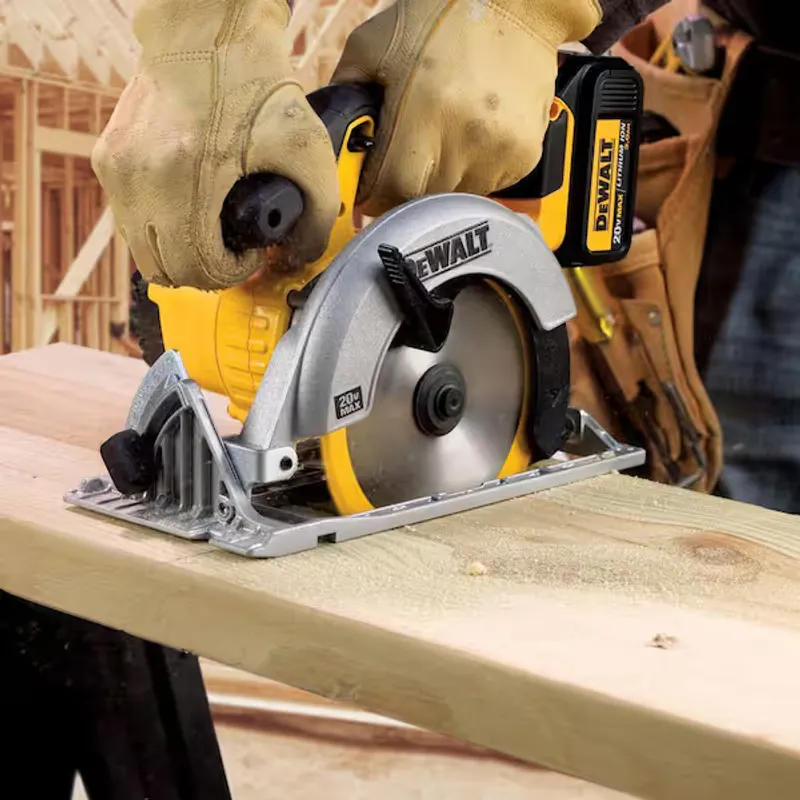
Do not treat an ordinary circular saw as a curve-cutting tool. Blade choice alone also does not authorize cutting metal, masonry or tile on a wood-only machine. Intended use, guarding and dust or spark handling must match.
Check depth at the working angle. Bevel cutting can reduce usable capacity. Include a guide rail’s effect where relevant.
- Compare guide compatibility and support needs.
- Verify blade dimensions and speed rating.
- Use only the starting and plunge procedures permitted by the model.
See our plunge saw versus circular saw comparison for a closer look at portable panel work.
Miter saws for repeated crosscuts and angles
A miter saw supports a workpiece against a fence while its cutting head moves through it. A compound model adds bevel adjustment; a sliding model provides additional travel. Actual capacity depends on the model and selected angles.
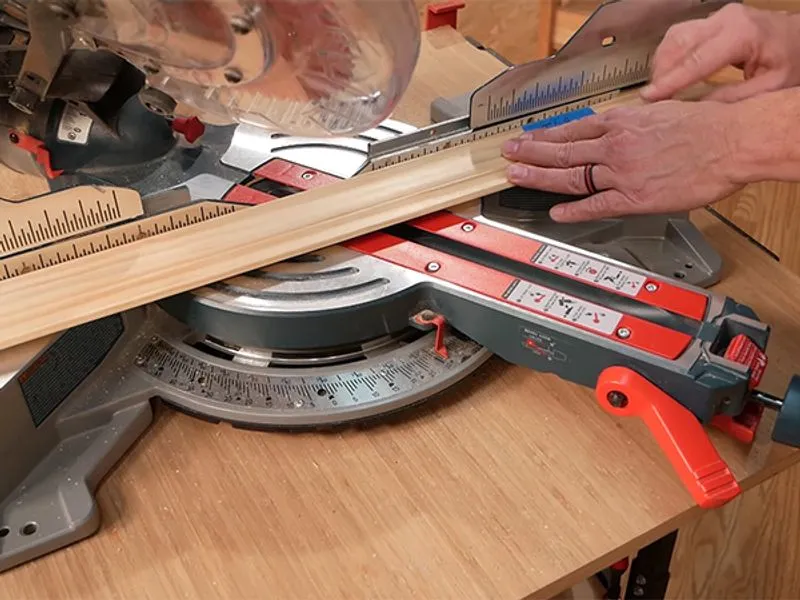
Read the capacity chart, not just blade diameter. A board that fits at a square crosscut may not fit at a compound angle. Long pieces also need suitable support beyond the machine base.
- Check capacity at the intended angles.
- Confirm stable mounting and work support.
- Verify a sample joint rather than trusting an angle label alone.
Our miter saw selection guide covers configuration choices. If terminology is unclear, review bevel versus miter cuts before specifying the requirement.
Table saws for a supported workstation
On a table saw, material is guided past a blade projecting through a table. Fence systems support repeat ripping; approved crosscut arrangements serve other cuts. Jobsite and workshop models differ in capacity, support and portability.

Planning must include infeed, outfeed and room for stock handling. A compact machine does not eliminate those space requirements. Guarding and relevant anti-kickback components must be used as instructed.
Evaluate the workstation, not an isolated saw. A repeatable cut depends on setup and operator training as well as machinery.
- Check stock dimensions and handling space.
- Use the model’s approved guides and accessories.
- Do not assume every benchtop or cabinet saw has the same protective systems.
Jigsaws and scroll saws for shaped work
A jigsaw’s narrow reciprocating blade suits curves and openings in supported material. A scroll saw holds a fine blade within a bench-mounted frame for more intricate work. Their reach, capacity and blade handling differ.

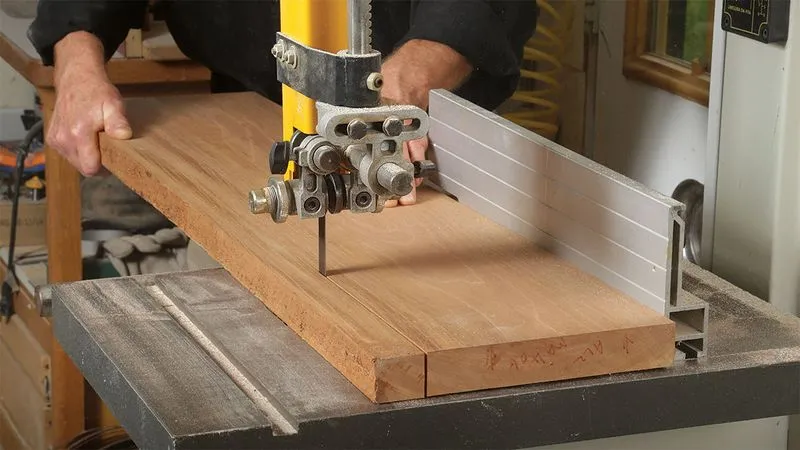
Test the edge below the surface. A jigsaw can follow its top line while a deflected blade leaves a sloping cut. Material thickness and blade selection affect the outcome.
- Match blade width and design to the required curve.
- Check clearance and support beneath the work.
- Follow explicit instructions for internal starts or plunge cutting.
Our jigsaw setup and use guide covers blade selection, orbital action and common cut defects.
Reciprocating saws for removal and access
A reciprocating saw uses a back-and-forth blade and is often selected for removal work, pipes and rough cuts. Its shoe supports the tool against the workpiece. Blade selection depends on the material and working conditions.

Know what lies beyond the visible surface. Demolition work can conceal wiring, pipes, fasteners or hazardous materials. Assess these before cutting; a suitable demolition blade does not remove those risks.
- Check tool and blade suitability for each material.
- Allow the required clearance throughout the stroke.
- Plan stable support and blade exit space.
Use our reciprocating saw guide for application and setup details.
Band saws and purpose-built material saws
A band saw runs a continuous blade around wheels. Vertical woodworking models may support curves and resawing; metal-cutting and portable models have different intended uses. Do not assume a blade change alone converts a woodworking saw into a metal-cutting system.
Tile saws, metal cut-off saws, flooring saws and panel saws address particular materials or handling needs. Wet-cutting equipment must be designed for that method. An ordinary electric saw should not be supplied with water to improvise dust control.

Confirm the application by model. Similar-looking miter and metal cut-off saws can have different speeds, guards and permitted accessories. Some cut-off designs allow angle adjustment; their names alone do not establish capacity.
- Check material approval and cutting method.
- Verify workholding and chip, spark or slurry management.
- Use only approved accessories and configurations.
Electric chainsaws for wood cutting
A chainsaw drives a cutting chain around a guide bar. Corded and battery models are electric; petrol models are not. Chainsaws serve a different role from panel and joinery saws and need their own training and protective measures.
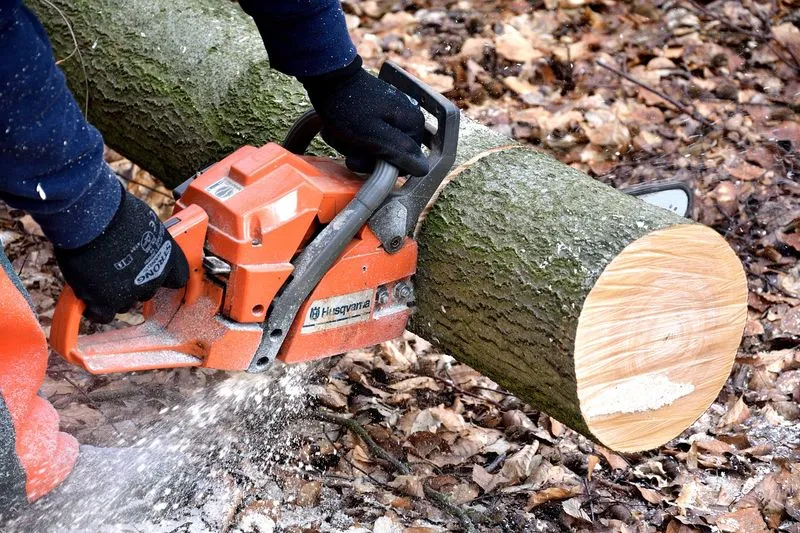
Do not use a category overview as instructions for tree felling, overhead work or cutting storm-damaged timber. Such tasks carry additional hazards. A chain brake does not eliminate kickback risk.
Plan work within documented capacity. Bar length and battery voltage cannot establish suitability by themselves.
- Confirm intended use and required competence.
- Check approved bar, chain and battery combinations.
- Include chain maintenance and lubrication requirements.
For cordless planning, our battery chainsaw runtime guide addresses why workload and configuration matter more than a single duration claim.
Check blades, power and support as one system
Material compatibility is only one blade requirement. Mounting interface, dimensions, speed rating and tool approval also matter. Our circular and miter saw blade guide helps narrow that accessory decision.
Cordless tools remove a supply cord from the work area but need a compatible battery and charging plan. Corded tools need a suitable supply and cable management. Neither arrangement justifies a blanket claim of unlimited duty or superior cutting power.
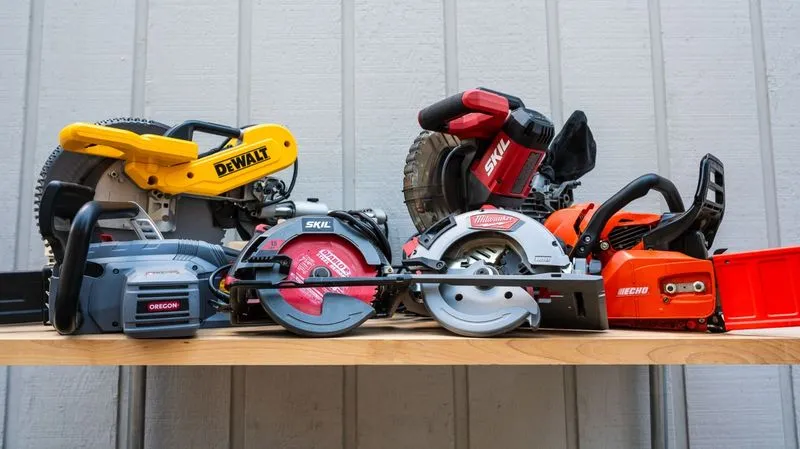
Compare a complete working setup. Include guides, stands, extraction, batteries and replacement blades when assessing cost and portability.
- Verify machine and blade limits together.
- Check workpiece support and handling.
- Plan dust control and appropriate protective equipment for the material.
Select an assortment without duplicating roles
A saw range should explain which task each model covers. An overlapping list of “powerful, versatile” products leaves buyers uncertain. Separate straight portable cutting, repeated crosscuts, curved work and removal applications.
Give each model a clear job. For a cordless power tool assortment, request confirmed cutting capacities, approved blades, kit contents and battery compatibility.
- Test representative materials and cuts.
- Retain sample results and required finish criteria.
- Check replacement blades, manuals and service support.
For dust planning, HSE’s wood cutting guidance explains why extraction and exposure controls need consideration alongside tool selection.
Shortlist the saw category first, then verify a specific model against the cutting brief. Do not buy a different blade to stretch a machine beyond its intended use.
Frequently asked questions
Which saw should I buy first?
Choose for your most frequent cut. A circular saw suits straight portable work; a jigsaw suits curves and openings. There is no universal first saw.
Can a circular saw cut curves?
A conventional circular saw is intended for straight cutting. Choose an appropriate curve-cutting tool rather than steering a circular blade sideways.
Can a wood saw cut metal with a different blade?
Only where the machine and accessory manufacturers approve that material and configuration. Physical blade fit alone is insufficient.
Is a table saw always more accurate than a handheld saw?
No blanket ranking applies. The model, guides, support, blade and setup determine whether a particular cut meets its tolerance.
Does a larger blade mean better performance?
It may change capacity, but also changes handling and machine requirements. Match the approved blade size to the actual work instead of assuming larger is better.